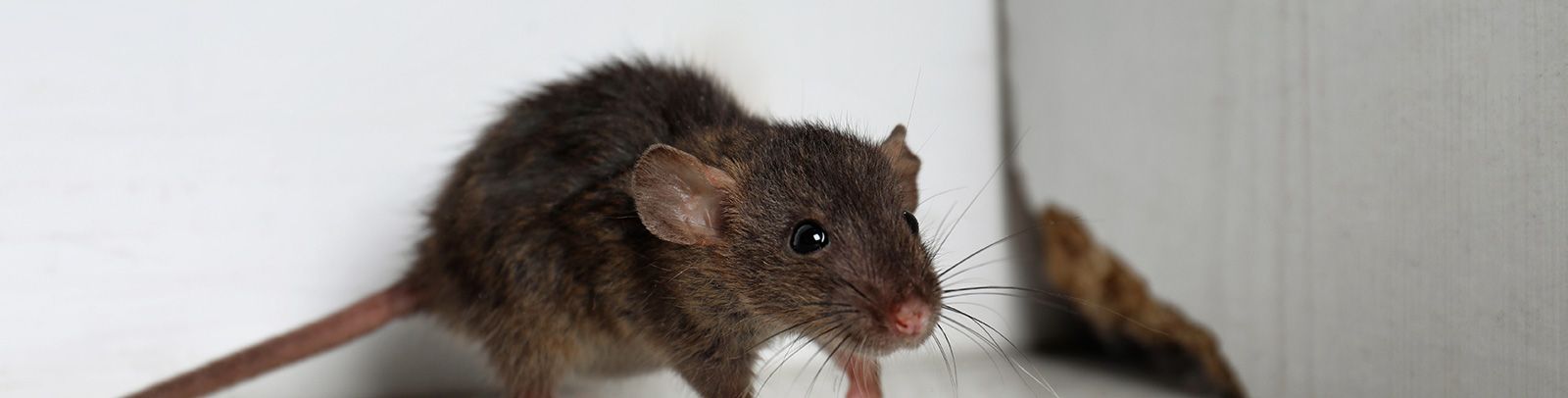
Rodents easily squeeze through tiny cracks — invading your home. They often move into attics, crawl spaces or even hide in walls. The following signs point to a rat or mouse infestation:
-
- Rat or mouse droppings
-
- Scurrying, scratching or squeaking sounds
-
- Gnaw marks
-
- Chewed electrical wires
-
- Bad smells
-
- Damaged insulation
A rodent invasion poses a threat to your well-being, as these pesky pests can trigger allergic reactions and respiratory problems. Rodents can also cause harm to your property because they can gnaw right through wood and wires.
Gain peace of mind with professional rat removal and exclusion services in Alabama and Georgia from Rid-A-Critter. We rely on poison-free rat control measures and will fortify your home to deter future infestations. Our skilled team offers responsible, humane and long-term solutions.
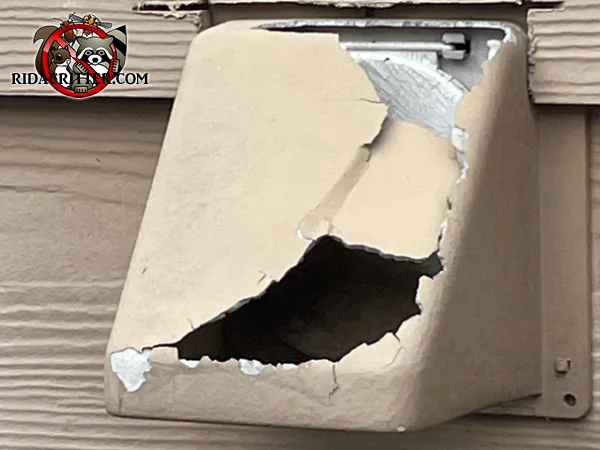
Professional Rat Control in Georgia and Alabama
At Rid-A-Critter, we don’t believe in quick-fix solutions. Anyone could buy mouse traps or exclusion spray, but these products do little to prevent future invasions or fix contaminated and damaged spaces. Our team addresses the full scope of a rodent infestation with comprehensive rodent removal and prevention services. When you trust us with your infestation problem, we’ll meet your needs by tackling the issue from multiple angles. Our rodent control service include:
Inspection
Rid-A-Critter’s masterful team will conduct a specialized assessment to determine where rodents are nesting and what damage they have caused to your property to plan the next steps. We’ll look at common nesting areas, like in the attic or insulation. We’re trained to find the most subtle signs of an infestation.
Removal
We remove rodents responsibly by safeguarding your loved ones from harmful poisons. Rather than relying on extermination measures, we’ll catch and remove your unwelcome guests by strategically placing traps near nesting areas.
Sanitation and Repair
We’ll ensure your house is free from the foul odor caused by rodent urine and droppings. Our team proficiently sanitizes living spaces so you can relax in a hygienic environment.
Armed with supreme craftsmanship, our team also rapidly repairs any damage caused by an infestation. Wood damage can compromise the structural integrity of a building, so our team will take care of these repairs — ensuring your safety and peace of mind.
Rodents also easily chew through insulation and further damage insulation by urinating and leaving droppings in their wake. Rid-A-Critter can install new insulation, ensuring your home stays energy-efficient and hygienic.
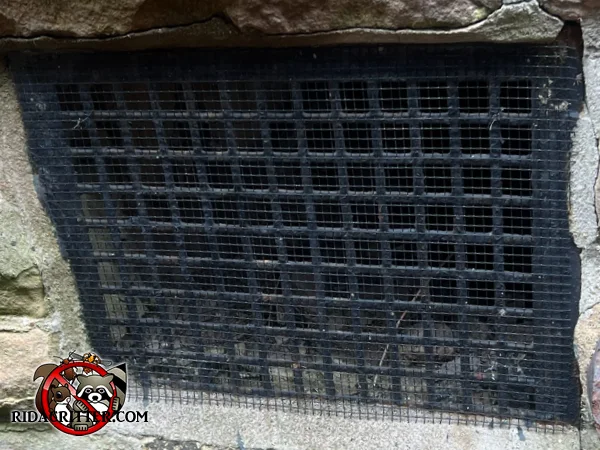
Rodent Prevention Services
Our solutions are long-term. We’ll inspect every nook and cranny of your home and seal openings with durable material so you can enjoy a rodent-free environment — permanently. As part of our rodent removal and prevention services, we’ll offer tailored advice to homeowners on the best practices to keep their homes rodent-free.
Remove Rodents Responsibly in Georgia and Alabama
Rid your home of mice and rats with Rid-A-Critter’s robust rodent removal services. We’ve been removing rodents responsibly since 2001, and our expertise in rodent removals and repairs puts us in a unique position to provide you with the most comprehensive offerings.
If you have unwelcome rodent residents, request an online quote today. For more information about our comprehensive services, feel free to contact us online.
Note: We really do believe in taking care of the root of the issue to protect the structural integrity of your home and protect your family from diseases. That’s why our price for rodent removal services encompasses exclusion and prevention work. If you have any questions, feel free to give us a call.