

Carpenter Bee Removal
Carpenter Bee Control for Your Home
Dealing with a carpenter bee infestation requires prompt and effective control measures to protect your home. These bees are not just a nuisance – they can cause considerable damage to wood structures by drilling holes to create their nests. If you’ve noticed an uptick in bee activity around your home, it’s time to consider professional removal services. At Rid-A-Critter, we specialize in carpenter bee removal, devising strategies to remove these buzzing pests safely.
Carpenter bees are stocky bees that look a lot like bumblebees. One easy way to tell them apart is that a carpenter bee’s abdomen is smooth and shiny, but a bumble bee’s abdomen is hairy. Carpenter bees can be annoying and even scary to some people. They fly through the air, chasing each other around at breakneck speeds during their mating rituals. Their aggressive flight generates an audible buzz, so they can appear very intimidating and menacing. But it’s all just a show. Male carpenter bees don’t have stingers, and the females rarely sting. Most carpenter bee exterminators don’t even wear bee suits when removing carpenter bees. Carpenter bees are also pollinators and, in that regard, are beneficial insects. Like all true bees, they travel from flower to flower, gathering nectar and distributing pollen.
With our control services, you and your family can have peace of mind, knowing that your home will no longer host unwanted bee guests. Whether it’s your deck, siding, or another area of your home, our dedicated team is ready to help. We’re committed to providing control and education on preventative practices to keep your home bee-free in the long term. Choose Rid-A-Critter for comprehensive bee control and carpenter bee removal services, and let us secure your home against these wood-boring insects.
We stand behind our bee-proofing services. We do exclusions for all parts of a property, from the roof to the ground level, and we are a member of the National Wildlife Control Operators Association (NWCOA). Let us help you reclaim your space and enjoy a pest-free environment for years.
Rid-A-Critter has locations in:
- Athens, Georgia
- Atlanta, Georgia
- Macon, Georgia
- North Georgia
- Birmingham, Alabama
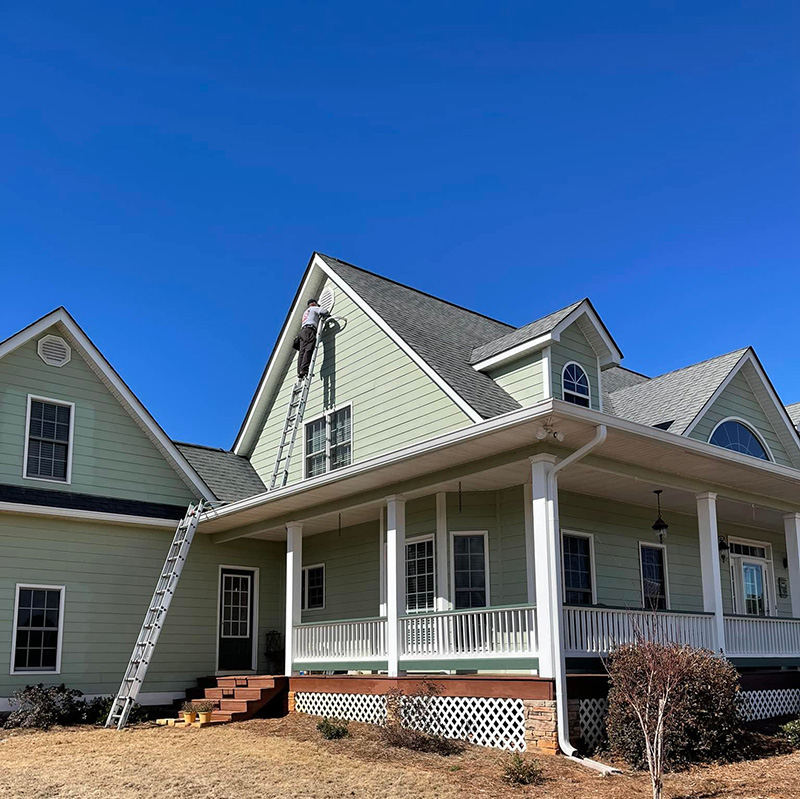
Evaluating Carpenter Bee Damage to Residential Property
Carpenter bee problems can be especially serious in Georgia & Alabama because of our many fine, old, historic wooden buildings. In our many historic cities, carpenter bee removal takes on even more importance because of historic preservation considerations. In addition to causing potentially costly structural damage, carpenter bees create unsightly stains when wax and by-products drip from the holes. These ugly stains can be very difficult to remove or paint over and may necessitate replacing the damaged wood simply for aesthetic reasons.
Carpenter bees, often confused with bumblebees due to their similar appearance, can cause significant damage to wooden structures in and around homes. Here are some common signs that you might have a carpenter bee problem:
- Visible Holes in Wood: One of the most obvious signs of carpenter bees is round, smooth holes about the diameter of your finger (typically 1/2 inch) drilled into wood. These pests burrow into wood to create nests.
- Sawdust Piles: As carpenter bees drill into wood, they create piles of sawdust beneath the entry holes. These piles are a clear indication of their nesting activity.
- Buzzing Sounds: You might hear a distinct buzzing or burrowing noise from within the woodwork, which is a sign of carpenter bees at work.
- Staining on Wood: Look for stains or discoloration around the entry holes. This staining is often caused by the bees’ waste and is a clear sign of an active nest.
- Flying Bees: Seeing large bees hovering around eaves, deck railings, or wooden structures in your yard and around your home can be a sign they are searching for a nesting site.
- Wood Damage: Over time, repeated nesting in the same area of wood can lead to noticeable damage. This may include weakened structures, cosmetic damage, or even holes large enough to see into.
- Presence of Larvae: In some cases, you might notice larvae within the wood tunnels or near the entrance holes, especially during the larvae growth phase.
If you notice any of these signs, it’s important to call carpenter bee experts right away before further damage occurs. Our professionals will effectively manage a carpenter bee infestation and repair any structural damage they may have caused.
Understanding the urgency of these situations, our trained technicians are prepared to respond promptly to help alleviate any immediate threats posed by these wood-boring pests. Our comprehensive services ensure that not only is the current infestation dealt with, but we also offer advice and specific services designed to prevent future occurrences, keeping your home safe and pest-free.
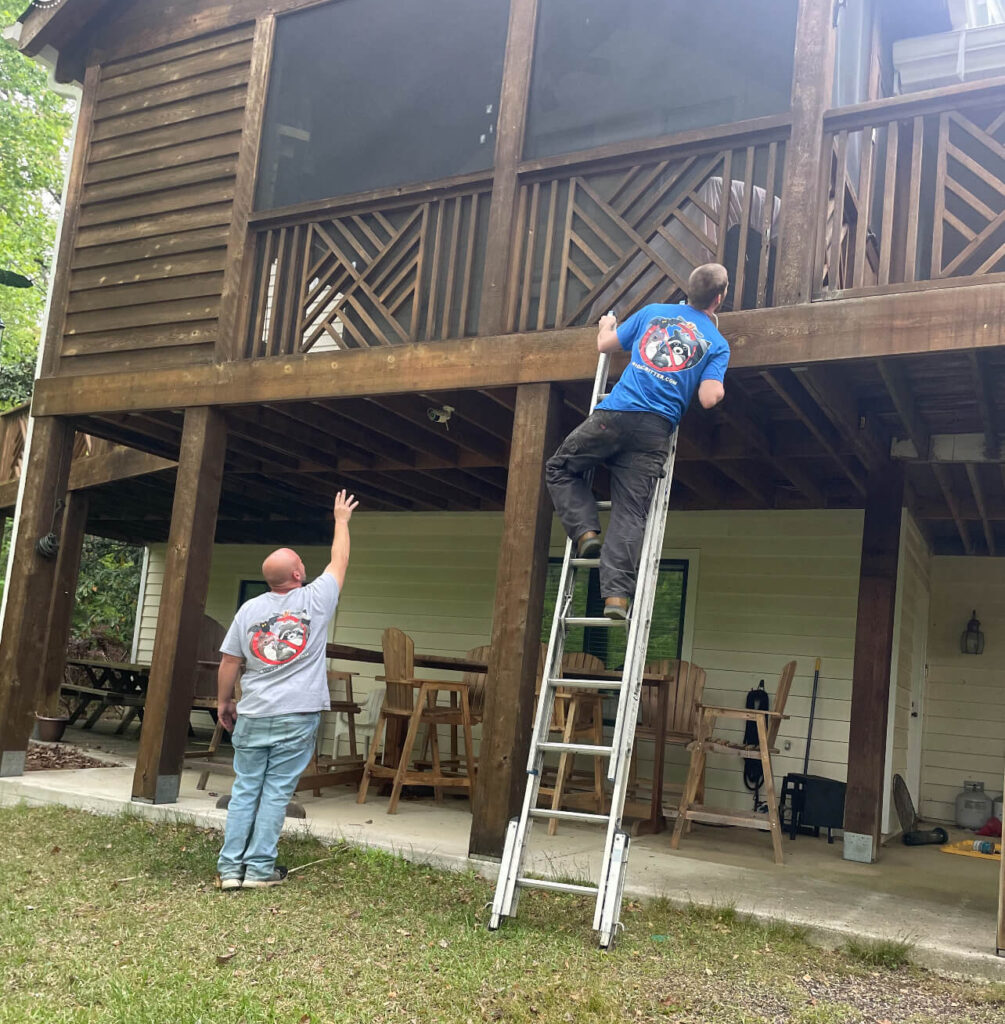
Protecting Your Property from Carpenter Bee Infestations
Rid-A-Critter provides professional carpenter bee removal and carpenter bee damage repair in Northern and Central Georgia and Alabama. No matter where on your property the bees are nesting, we have the equipment and know-how to handle any carpenter bee job.
Repairing even minor carpenter bee damage can be very difficult and hazardous because carpenter bees often drill holes in soffits, roof fascia boards, and other areas that are high up and require ladders or scaffolding. Repairing carpenter bee damage isn’t a do-it-yourself kind of job. That’s why we also offer carpenter bee damage repair in addition to carpenter bee extermination. We have the equipment and the know-how to do it safely and do it right, ranging from long ladders to cherry pickers and platform lift trucks. We also have technicians who aren’t afraid of heights. It’s kind of a requirement for the job. Contact us for prompt, professional service. One of our highly trained technicians and our advanced equipment will thoroughly inspect the situation and provide an estimate for our services. Contact us at the first sign of pest problems around your home.
With Rid-A-Critter’s expert services, you can count on our tailored strategies to control any burgeoning colonies on your property effectively. We understand that the safety of your customers or family and the protection of your property is important, which is why our control services are designed to tackle the problem with minimal disruption to your business operations. As a service provider focused on exceeding expectations, we’re here to ensure that an infestation won’t stand in the way of your day-to-day life. Trust Rid-A-Critter to not just control but eliminate the threat of carpenter bees and to fortify your home or business against future invasions.
What Are Our Other Services?
Besides our carpenter bee damage repair, carpenter bee nest removal and other bee-proofing services, we also offer the following:
Bee Proofing Solutions for Property Management
When it comes to safeguarding your commercial enterprise from the persistent buzz of carpenter bees, proactive bee-proofing solutions are essential for property management. These industrious insects can compromise not only the structural integrity of your property but also impact your comfort. At Rid-A-Critter, we specialize in addressing wildlife challenges, specifically bees that require immediate attention. Our services to combat these wood-boring pests are designed with your best interests in mind, ensuring minimal disruption while providing the most effective treatment.
Property managers understand that a carpenter bee infestation isn’t just a nuisance; it’s an urgent wildlife issue that demands prompt and dedicated services. That’s why our team at Rid-A-Critter offers comprehensive services tailored to the unique needs of each commercial client. From thorough inspections that evaluate the extent of carpenter bee damage to deploying protective measures that deter future invasions, our pest strategies provide solutions that work.
Preventative services are a cornerstone of our approach to wildlife control, and when it comes to bees, especially carpenter bees, these measures become a crucial part of property management. If you suspect an infestation or notice the tell-tale signs of carpenter bee activity, don’t hesitate to contact Rid-A-Critter. Our expert technicians are ready to provide our customers with the necessary treatment to eradicate these buzzing invaders. Remember, when wildlife challenges arise, our services are just a call away.
Rid-A-Critter provides professional services and carpenter bee damage repair in Northern and Central Georgia, no matter where the bees are nesting on your property. We have the equipment and expertise to control any carpenter bee invaders — even when the colonies are nesting in high-up, hard-to-reach areas.
Contact us for professional carpenter bee removal. We’ll provide effective service that involves a thorough inspection and customized treatment plan that truly works.
For more information on carpenter bees and our carpenter bee removal services, visit our YouTube channel:
Latest News from the Critter Twitter
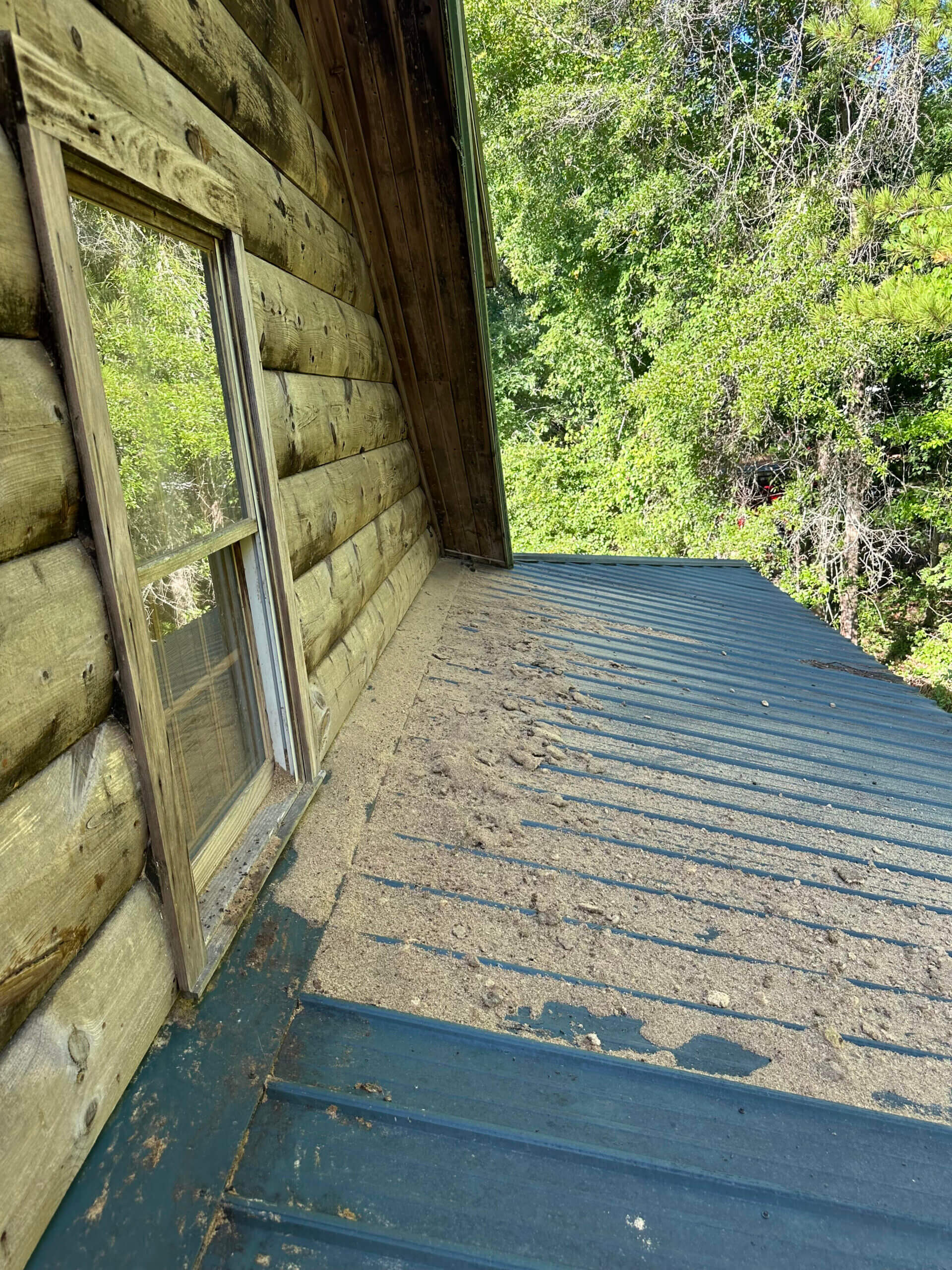
Massive carpenter bee damage in Macon, Ga
Wow! Thats a lot of carpenter bee damage. This Macon, Ga house is really being torn up buy the destructive carpenter bee. Unfortunately for the homeowner this area was out of sight and they had no idea the extent of carpenter bee damage taken place. Call Ridacritter for a free quote on carpenter bee control services.
Jason Arruda